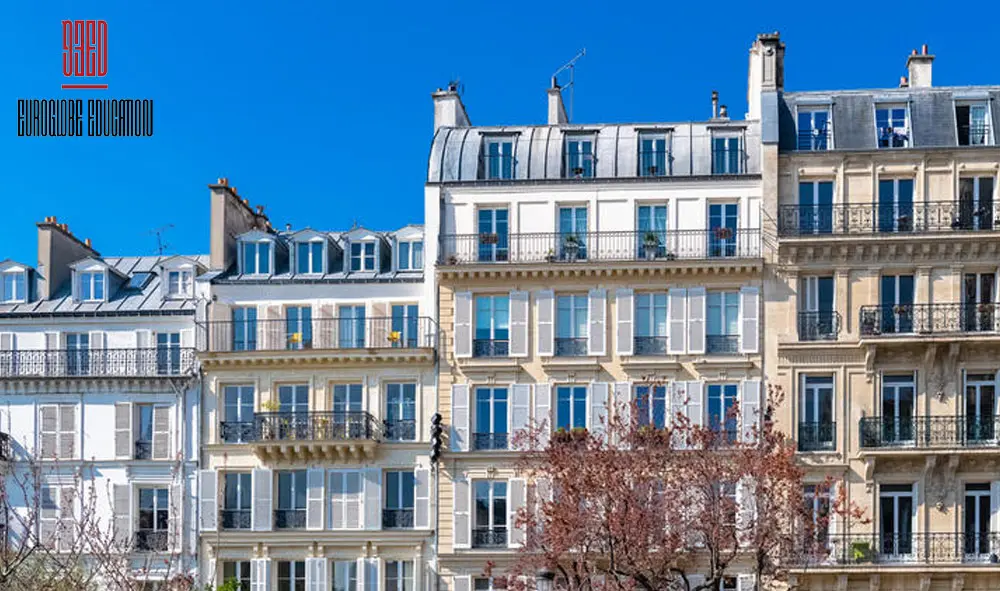

Housing options for international students in France play a crucial role in shaping the overall academic and personal experience of studying abroad. Finding the right accommodation is not just about securing a place to stay—it directly affects your budget, daily comfort, social integration, and academic performance.
France offers a diverse range of student housing solutions. Understanding the differences, costs, and application process can be challenging, especially for international students new to French legal and cultural norms. Keep reading to discover the most suitable accommodation options to help you settle smoothly and confidently in France.
Long-term student housing in France
Long-term accommodation is the preferred option for international students enrolled in full-degree or multi-semester programs in France. The main long-term housing options include:
1. CROUS Student Residences
Operated by the French government, CROUS residences are among the most affordable options available. They typically provide furnished single rooms or studios located near universities and public transportation. Due to subsidized rent, these residences are highly competitive, and early application significantly increases your chances of securing a room.
2. Private Student Residences
Private student housing providers offer fully equipped studios or shared apartments with modern amenities such as study areas, gyms, laundry facilities, and security services. Although more expensive than CROUS, they offer greater flexibility and often have simplified requirements for international students.
3. Private Apartments (Independent Rentals)
Renting a private apartment independently or with roommates offers greater autonomy and privacy. However, this option requires understanding French rental regulations, providing a guarantor, and covering upfront costs such as deposits and administrative fees.
Most long-term contracts in France last between 9 and 12 months. Many students may also qualify for government housing assistance (CAF), which can reduce monthly rent costs.
| If you’re exploring global legal education opportunities, learning more about how to Study in France can help you plan your academic path with confidence. |

Short-Term Accommodation for Students in France
Short-term accommodation in France is ideal for international students attending exchange programs, language courses, internships, or those who need temporary housing before securing a long-term rental. These options offer flexibility and convenience, especially during the initial weeks of arrival.
The most common short-term housing options include:
1. Temporary University Residences
Some student residences offer short-term contracts ranging from a few weeks to several months. Availability is usually limited and subject to seasonal demand, particularly at the beginning of academic semesters.
2. Student Hostels and Budget Hotels
Hostels provide affordable, flexible stays with shared facilities. While suitable for very short periods, they are not designed for long academic stays and may lack privacy.
3. Furnished Short-Term Rentals
Furnished studios or apartments can be rented on a monthly basis through private platforms or agencies. These rentals are practical for students waiting for permanent housing approval but often come at higher monthly rates.
| Students enrolled in structured France study programs often receive preliminary housing guidance, which can help reduce uncertainty during their transition.” |
Student Residence Application Process in France
The student residence application process in France follows a structured timeline. Applying early and preparing documents carefully increases your chances of securing accommodation.
Key Steps:
- Start Early: Begin researching housing options immediately after receiving your university admission. Many residences open applications months before the academic year starts.
- Submit Online Application: Complete the required online form with accurate personal details, university admission proof, and identification documents.
- Provide Required Documents: Prepare financial documents and, if required, a guarantor. International students may need alternative guarantee services.
- Confirm & Pay Deposit: Once accepted, confirm your placement within the deadline and pay the security deposit to secure your room.
| Applying early is particularly important in high-demand university cities. Students who plan to Immigrate with EGEDU can receive structured support with document preparation and housing coordination. |
Student Housing Contracts in France
Student housing contracts in France are legally regulated agreements that define the relationship between the tenant and the landlord. Before signing any lease, international students should carefully review the terms and understand their financial and legal responsibilities.
Rental contracts in France are structured and transparent, but unfamiliar terminology can sometimes create confusion for newcomers.
Key Points to Know:
- Contract Duration: Most student leases run for 9 to 12 months. Some furnished rentals offer more flexible terms.
- Security Deposit: Tenants are typically required to pay a deposit (usually one month’s rent for furnished properties). This amount is refundable if the accommodation is returned in good condition.
- Notice Period: Students must submit written notice before moving out—commonly one month for furnished rentals.
- Inventory Report (État des lieux): A mandatory inspection is conducted at both move-in and move-out to document the property’s condition.
- Housing Assistance (CAF): Eligible students may apply for government housing support to reduce monthly rental costs.
Common Housing Challenges for International Students
International students in France often face unique housing challenges. Understanding these issues in advance can help you prepare and avoid unnecessary stress during your stay.
Key Challenges:
- High Demand in Popular Cities: Major academic hubs like Paris, Lyon, and Toulouse have very competitive housing markets. Early applications are essential to secure accommodation.
- Language Barriers: Rental contracts, official documents, and communication with landlords are often in French, which can be challenging for non-French speakers.
- Financial Constraints: Even subsidized student residences may require upfront deposits, agency fees, or monthly payments that exceed initial budgets.
- Limited Availability of Short-Term Housing: Temporary or transitional housing may be scarce, especially at the start of academic semesters.
- Understanding Legal Rights and Responsibilities: International students must familiarize themselves with French rental laws, eviction rules, and tenant rights to avoid misunderstandings.

Conclusion
Finding the right housing is a key factor for a successful and comfortable experience as an international student in France. Whether you choose long-term CROUS residences, private student apartments, or short-term rentals, understanding your options, the application process, and contract terms can make the transition much smoother.
Planning ahead, reviewing contracts carefully, and being aware of common challenges will help students navigate the housing process confidently. With the right preparation, securing suitable accommodation becomes a seamless part of your study journey in France.
Start your study journey in France with confidence—let EuroGlobe Education guide you to the perfect housing and a smooth relocation.