

Finding the right student accommodation in France is one of the most important steps when planning to study abroad. Your housing choice affects your budget, daily routine, commute, and overall well-being. Whether you prefer the community feel of university residences, the independence of a private studio, or the affordability of flat-sharing, France offers a variety of options to match different needs and budgets.
In this guide, we explore the main housing options available for international students in France and provide practical tips to help you secure safe, comfortable, and affordable accommodation.
Types of Student Housing in France
France offers several accommodation options for international students, each suited to different budgets, lifestyles, and study plans:
1. CROUS University Residences (Public Dormitories)
CROUS residences are the most popular and affordable option for students. These government-run dorms are usually located on or near university campuses.
Key features:
• Lowest rental prices
• Single or shared rooms
• Basic but practical facilities
• High demand — early application required
2. Private Student Residences
Private student housing offers modern, furnished rooms with additional amenities such as gyms, study areas, laundry rooms, and security.
Key features:
• More comfort and services
• Higher cost compared to CROUS
• Flexible short- or long-term contracts
3. Shared Apartments (Colocation)
A common choice among international students. You rent a room in an apartment shared with other students or young professionals.
Key features:
• More affordable than renting alone
• Social and collaborative environment
• More independence than dorms
4. Private Studios or Apartments
Ideal for students who prefer privacy and a quiet environment.
Key features:
• Full independence
• Suitable for Master’s students or those who value personal space
• Usually the most expensive option
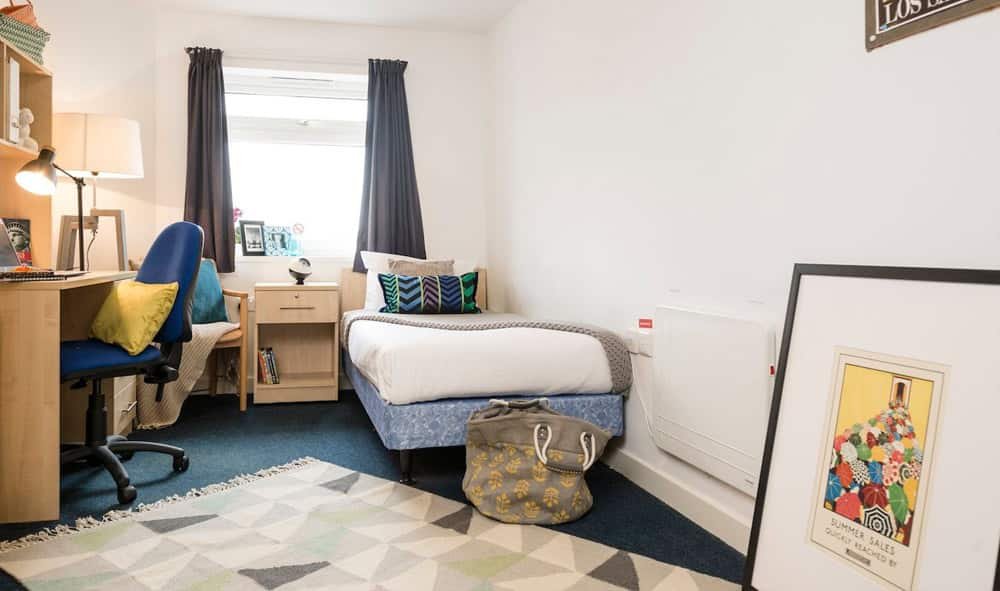
5. Homestay (Living With a Host Family)
A great option for students who want cultural immersion and everyday support. In a homestay, you live with a host family, practice French naturally, and experience authentic local life in a safe, structured environment.
Key features:
• Family-like environment
• Ideal for newcomers
• Opportunity to practice French daily
| For more guidance on planning your academic journey, explore our updated Study Program France resources. |
On-Campus vs Off-Campus Housing
Choosing between on-campus and off-campus housing in France depends on your budget, lifestyle preferences, and the level of independence you want. Both options have unique advantages that can shape your overall student experience.
On-Campus Housing
On-campus housing in France is mainly offered through CROUS university residences, which are known for their affordability and convenient location.
Pros:
• Lowest rental costs
• Close to university buildings, libraries, and student services
• Opportunities to meet other students easily
• Suitable for first-year international students
Cons:
• High demand and limited spots
• Basic amenities compared to private residences
• Less privacy in shared facilities
Off-Campus Housing
Off-campus options include private student residences, shared apartments, studios, and homestays.
Pros:
• More independence and personal space
• Wider variety of housing styles and locations
• Better amenities (furnished rooms, gyms, study lounges, etc.)
• Ideal for long-term students or those seeking comfort
Cons:
• Higher rent, especially in large cities
• Requires more responsibility (contracts, utilities, internet setup)
• Greater distance from campus depending on location
| To explore reliable housing options across different French cities, you can check Accommodation France. |
Average Rent in Major Cities
The cost of student accommodation in France varies widely depending on the city. Major academic hubs like Paris, Lyon, and Bordeaux generally have higher rents, while smaller cities offer more affordable options. Knowing the average rental range helps students plan a realistic monthly budget before arriving in France:
Average Rent in Paris
Paris is the most expensive city for students, with high demand and limited space. Average rent: €850–€1,200 for a studio, €450–€700 for a shared apartment
Note: Living slightly outside the city center (Zones 2–5) significantly reduces costs.
Average Rent in Lyon
A major student city with a balanced cost of living. Average rent: €500–€750 for a studio, €380–€550 for shared housing.
Average Rent in Toulouse
Known for aerospace studies and a large student population. Average rent: €450–€650 for a studio, €350–€500 in shared flats
Average Rent in Lille
Popular among international students due to its affordability and proximity to Belgium. Average rent: €450–€600 for a studio, €350–€480 for shared housing
Average Rent in Montpellier
A vibrant, budget-friendly student city in southern France. Average rent: €420–€600 for a studio, €300–€450 for shared accommodation
| For students who plan to live in these major cities, enrolling in French language courses can also make everyday life and interactions much easier. |
How to Apply for Student Housing
Applying for student accommodation in France varies by housing type, and because demand is high—especially in major cities—starting early and preparing your documents in advance is essential. Below is a simplified overview of how to apply for each major option.
CROUS University Residences
CROUS dorms are the most affordable choice. Students apply by submitting the Dossier Social Étudiant (DSE) between January and May through the CROUS portal. Rooms are assigned based on availability and financial need, so applying early is crucial.
Private Student Residences
Companies like Studapart, Les Estudines, and Kley offer modern housing with amenities. Applications are made directly on each provider’s website by uploading basic documents such as a passport, acceptance letter, and guarantor details. These options cost more than CROUS but offer greater comfort and security.
Renting a Private Apartment
Students seeking independence can rent a studio or join a shared flat (colocation). You’ll need a rental file (dossier de location) including ID, proof of admission, financial documents, and often a guarantor. You can find listings on LeBonCoin, PAP, or Facebook groups. Once approved, you sign a lease and pay the deposit.
Host Families
Homestays provide cultural immersion and daily French practice. Applications typically go through homestay agencies, where you can review host profiles and choose a suitable match. Meals and a supportive home environment are often included.
Before applying, make sure all required documents—especially those needed for your visa or enrollment—are ready.
| For assistance with these steps, Visa Services France offers reliable support for international students. |
Tips for Affordable and Safe Housing
Finding student housing in France can be competitive, but with a few smart strategies, you can secure an affordable and safe place without stress. Here are the key tips every international student should follow:
• Start Your Search Early: Begin looking 2–3 months before arrival to access better options and avoid high last-minute prices.
• Compare Multiple Platforms: Check different trusted websites because rental prices can vary widely from one platform to another.
• Consider Shared Apartments: Colocation is one of the most budget-friendly choices and helps reduce rent and utility costs.
• Check Safety and Location: Research the neighborhood’s safety, transport connections, and distance to your campus before signing.
• Avoid Scams: Never send money before seeing the room or signing a verified contract. Be cautious of unusually cheap listings.
• Apply for CAF Aid: International students may qualify for CAF, a government subsidy that reduces monthly rent.
If you are looking for ways to reduce your living costs, exploring available French scholarships can help support your stay in major cities across France.
Conclusion
Finding the right student accommodation in France is essential for a comfortable, safe, and enjoyable study experience. Whether you choose a CROUS dorm, a private studio, or shared housing, understanding your options and preparing early will help you secure a place that matches your lifestyle and budget.
If you need expert support with choosing housing, preparing documents, or settling in as an international student, EuroGlobe’s professional team is ready to guide you every step of the way.