
France is not only the land of art, history, and fine cuisine, it is also one of the most exciting study-abroad destinations in the world. Every year, more than 370,000 international students choose France, making it one of the top five countries preferred by students worldwide.
Known for its prestigious universities, France offers a wide range of programs from undergraduate degrees to advanced research, making it a perfect destination for ambitious students looking to broaden their horizons. Its academic excellence, rich culture, and inspiring lifestyle create a unique environment for learning and personal growth.
In this article, we guide you through everything you need to know about studying in France — from choosing the right program and understanding admission requirements to visa procedures and finding accommodation.
Why Study in France?
France offers a remarkable combination of academic prestige and international appeal:
- World-Renowned Universities & Grandes Écoles: France has over 3,500 institutions of higher education, ranging from public universities to elite Grandes Écoles that are globally recognized.
- Affordable Education: Public universities are heavily subsidized by the French government. Non-EU students still enjoy tuition rates far below those of the US, UK, or Australia.
- A Global Community: France is home to one of the most diverse student populations, ensuring a truly international experience.
- European Advantage: Living in France gives students access to the entire Schengen zone, opening doors for travel, networking, and cultural enrichment.
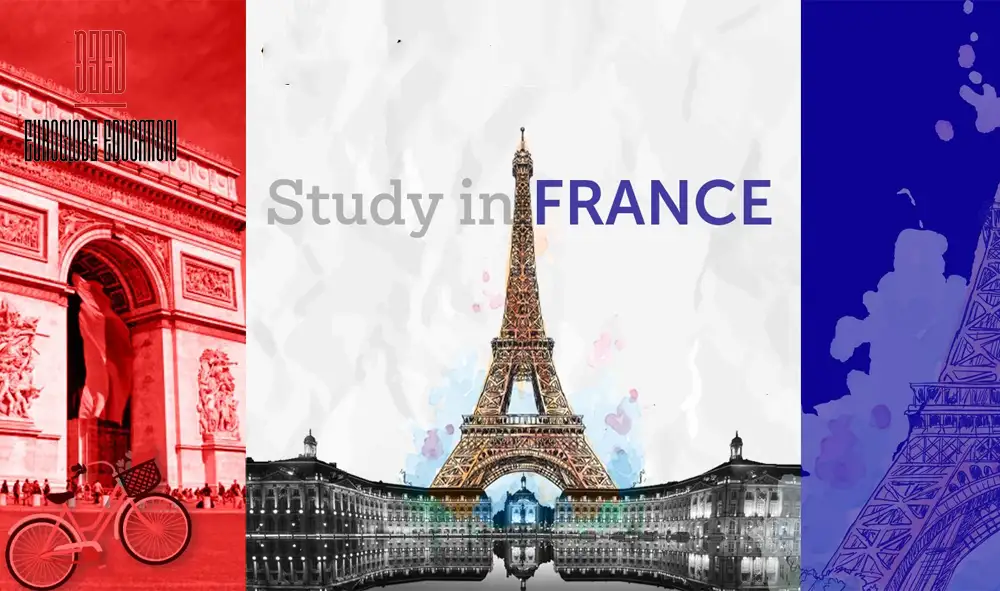
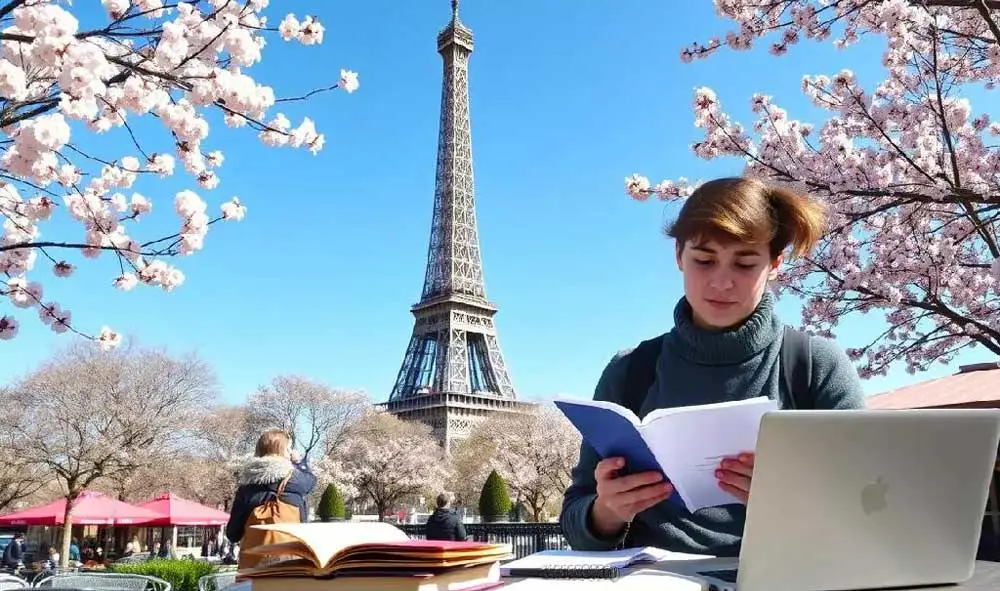
- Vibrant Lifestyle: From the Eiffel Tower in Paris to the vineyards of Bordeaux and the beaches of Nice, France offers endless opportunities for adventure.
Top Programs to Study in France
France is globally recognized for its high-quality education system, offering a wide range of programs designed to meet diverse academic and professional goals. From undergraduate degrees to advanced doctoral studies, students can choose from Bachelor’s, Master’s, and PhD programs tailored to their ambitions.
A distinctive feature of French higher education is the prestigious Grandes Écoles, which provide rigorous and specialized courses in fields such as business, engineering, and political science.
Whether your interests are in arts, engineering, sciences, business, law, medicine, or social sciences, France offers exceptional programs across multiple disciplines. Students can pursue single or double majors, advanced engineering diplomas, or innovative courses in biotechnology, environmental sciences, and international relations.
Education Levels in France
France offers a world-class education system, providing a clear pathway for both local and international students to study in France from early childhood through university. The system is divided into four main stages, each designed according to the student’s age, academic level, and future aspirations:
- Early Childhood Education (École Maternelle): Designed for children aged 3 to 6, this stage emphasizes social development, creativity, and foundational learning skills.
- Primary School (École Élémentaire): For children aged 6 to 11, focusing on essential subjects such as reading, writing, mathematics, and basic sciences.
- Secondary Education (Collège and Lycée): Covering ages 11 to 18, Collège provides general education in core subjects, while Lycée prepares students for the Baccalauréat, the diploma required for university admission.
- Higher Education (Licence, Master and Doctorat): Starting from age 18, students can pursue undergraduate, graduate, and doctoral studies within the internationally recognized Bologna framework.
One significant advantage for international families, including Iranian students, is the access to high-quality education at little or no cost. School attendance is compulsory and free for children aged 6 to 16, ensuring both academic excellence and cultural integration from an early age.
Academic Programs and Fields of Study in France
France provides a wide range of programs for different career paths and academic interests, from Bachelor’s to PhD degrees, including specialized programs from elite institutions.
Bachelor’s Programs
Bachelor degrees typically last three years. Programs span humanities, sciences, engineering, business, and arts. Both public universities and Grandes Écoles combine theoretical knowledge with practical skills to prepare students for professional success.
Master’s Programs
Master’s degrees usually take two years. The first year emphasizes advanced coursework, and the second focuses on specialization, research projects, or internships. Available in fields like business, engineering, and social sciences. Tuition for public universities ranges from €1,500 to €2,000 per year; private institutions and Grandes Écoles may charge higher fees.
Master in Management (MIM)
The MIM is a focused program for aspiring business leaders, lasting one to two years. Courses cover strategy, leadership, finance, and practical project work. Tuition typically ranges from €5,000 to €7,000 per year. Top French business schools like HEC Paris and ESSEC offer globally recognized programs with strong career prospects.
PhD in France
PhD programs in France, recognized since 1999, are the third level of higher education after a Master’s degree. Typically lasting 3–4 years, these programs focus on independent research and include seminars, courses, and teaching opportunities. Admission generally requires a relevant Master’s degree, strong academic record, and language proficiency (IELTS 6.5 or C1 French).
Popular fields include natural sciences, technology, and engineering, with the dissertation as the core component.

Language Requirements for study in France
Understanding the language requirements is crucial for international students planning to study in France:
- Programs Taught in English – Most master’s and many undergraduate programs require proof of English proficiency (IELTS, TOEFL, or equivalent). French proficiency is not mandatory but can help with day-to-day life.
- Programs Taught in French – Students must demonstrate French language skills through DELF, DALF, TCF, or similar certifications.
- Preparatory Language Courses – For students who do not meet language requirements, universities often offer preparatory programs or intensive language courses before starting the main degree.
Study in France without IELTS
A major advantage for international students is the possibility to study in France without an IELTS certificate. Many French universities offer conditional admission, allowing students to begin with a preparatory French or English language course before starting their main degree program.
Additionally, numerous universities accept alternative proofs of English proficiency, such as a Medium of Instruction (MOI) letter or confirmation that previous studies were conducted in English. This flexibility enables students to bypass standardized English tests and focus directly on their academics and career development.
Top Universities for study in France
France is home to a wide range of prestigious universities and Grandes Écoles, offering world-class programs across multiple disciplines including business, engineering, sciences, and humanities. These institutions combine rigorous academics with practical experience, preparing students for successful careers and global opportunities. Notable Universities & Grandes Écoles:
- Skema Business School
- NEOMA Business School
- IESEG School of Management
- KEDGE Business School
- IMT Atlantique
- Audencia Business School
- Montpellier Business School
- Toulouse Business School
- Rennes School of Business
- ICN Business School
- …and 50+ more institutions across France
Admission Requirements for study in France
Admission to French universities is generally straightforward, but specific requirements vary by program:
- Undergraduate Programs: Minimum 55% in higher secondary education.
- Master’s Programs: Relevant bachelor’s degree required.
- MBA Programs:
Applicants with 15 years of education: 1–3 years of work experience recommended.
Applicants with 16 years of education: No work experience required. - Language Skills: No strict English requirement, but motivation and language proficiency may be evaluated during the Campus France interview.
- Program-Specific Criteria: Certain programs may have additional requirements. Always check each institution’s official guidelines.
- Apply Early: Early application ensures timely processing and better chances of admission.

Cost of Studying in France for International Students
Studying in France is an exciting opportunity for international students, but it’s important to plan financially. Tuition fees in many public universities are remarkably low, often under €1,000 per year, making France one of the most affordable countries for higher education. However, living expenses can vary depending on the city and lifestyle. Average Tuition Fees at Public Universities (per year):
| Program | Average Tuition Fee (€) |
| Bachelor’s | 170 |
| Master’s | 260 |
| PhD | 396 |
| Engineering & Technical Programs | 620 |
| Medical Studies | 450 |
Other Institutions
| Type | Fee (€) |
| Grandes Écoles / Specialized Schools | 500–10,000 |
| Private Universities | 11,000–80,000 |
| Business Schools | 5,000–30,000 |
Housing Options for students
| Type | Monthly Cost (€) |
| University dorms | €200 (small cities), €400 (Paris) |
| Shared/private apartments | €300 (small cities), €800 (Paris) |
| Homestay | €200 (small cities), €800 (Paris) |
Monthly Living Expenses in France (Approx.)
- Paris: €1,200 – €1,800 per month (higher housing costs, vibrant cultural scene).
Lyon, Nantes, Toulouse, Montpellier: €800 – €1,200 per month (affordable student cities with excellent quality of life). - Smaller Cities: €600 – €800 per month.
Students can also benefit from VISALE, a rental guarantee program that helps secure accommodation. Additional costs include food, clothing, and transportation (€30–€75/month).
Age Limits for Studying in France
While France does not impose strict age restrictions for admission to its educational programs, age can be an important factor when applying for a student visa. Each level of study has a recommended age range, which may influence your chances of obtaining a visa:
Bachelor’s Degree: The recommended maximum age is 23 years. Applicants older than this may face additional challenges in securing a student visa.
Master’s Degree: The suggested maximum age is 30 years. Those above 30 might encounter extra scrutiny during the visa process.
Life and Career Opportunities for International Students in France
Studying in France is not only about gaining a world-class education but also about building a secure future. International students can benefit from a wide range of opportunities. These opportunities ease financial challenges, provide valuable professional experience, and open doors to long-term prospects in France and beyond:
Scholarships for Studying in France
International students can benefit from a wide range of scholarships at the undergraduate, master’s, and doctoral levels. These scholarships vary in eligibility, duration, and coverage, with some even supporting living costs and health insurance. Applicants usually need to provide academic transcripts and a personal statement.
Career Opportunities after Graduation
Graduates of French universities have strong career prospects in fields like technology, finance, engineering, and hospitality. International experience and multilingual skills are highly valued by employers, while internships and networking during studies increase job opportunities in cities such as Paris, Lyon, and Marseille.
Part-Time Jobs for Students
International students in France can work up to 20 hours per week during the academic year and full-time during holidays. Jobs are available in retail, hospitality, administration, tutoring, and even on campus. These roles provide extra income, practical experience, and a chance to integrate into French culture.
Post-Study Work Rights (PSWR)
Master’s and PhD graduates can stay in France for up to 12 months on the APS permit to look for work. During this time, they can work full-time and build professional networks. Once they secure a relevant job, they may transition to a long-term residence permit, creating a pathway from studies to a career in France
Advantages and Disadvantages of Study in France
Studying in France offers numerous benefits, but there are also some challenges that international students should consider before making a decision.
Advantages:
- High-Quality Education: French universities and Grandes Écoles provide world-class programs recognized globally.
- Affordable Tuition: Public universities offer very low tuition fees compared to many other countries, making France an economical choice.
- Cultural Experience: Living in France gives students the chance to immerse themselves in French culture, language, and history.
- Diverse Study Options: Wide range of programs across arts, sciences, engineering, business, law, and medicine.
- Strong Networking Opportunities: Access to internships, research projects, and professional connections that can enhance career prospects.
- Scholarships and Financial Aid: Various scholarships are available for international students to help with tuition and living costs.
Disadvantages:
- Language Barrier: While many programs are offered in English, knowledge of French is essential for daily life and some academic programs.
- Living Costs: Although tuition is low, living expenses, especially in cities like Paris, can be high.
- Bureaucracy: Navigating visa applications, residence permits, and administrative procedures can be time-consuming.
- Competitive Programs: Entry into prestigious Grandes Écoles or popular programs can be highly competitive.
Cultural Adjustment: Adapting to a new culture and education system can be challenging for some students.

Summary
France provides a unique combination of affordable, high-quality education and rich cultural experiences. By understanding the potential challenges and preparing accordingly, students can make the most of their time in one of the world’s top study destinations.
At EuroGlobe, we turn this dream into reality. From the moment you choose France until you graduate, we stand by your side.