

University dormitories in France play a key role in the student experience, especially for international students navigating life abroad. These residences — particularly those managed by the national CROUS system — are known for offering affordable, furnished accommodation close to campus, which can significantly reduce living costs compared to private rentals in major French cities.
If you’re considering studying in France, exploring your university dormitory options can be one of the smartest steps toward a smoother transition. Keep reading to discover everything you need to know.
CROUS Housing System Explained
The CROUS housing system is the main public student accommodation network in France. It offers thousands of rooms and small apartments near university campuses, making student life affordable and convenient. Options include single rooms in shared apartments, studio flats, or larger shared units with common kitchens and living areas, often with internet included.
Eligibility usually prioritizes students with financial need, scholarship recipients, and international students. Applications are submitted annually via the Dossier Social Étudiant (DSE), and allocations are based on factors like study level, distance from family, and urgency of need.
Beyond affordability, CROUS residences provide a vibrant student community, with shared spaces and activities that help students make friends, practice French, and settle into university life.
| You can also explore EGEDU for guidance on housing and student support. |
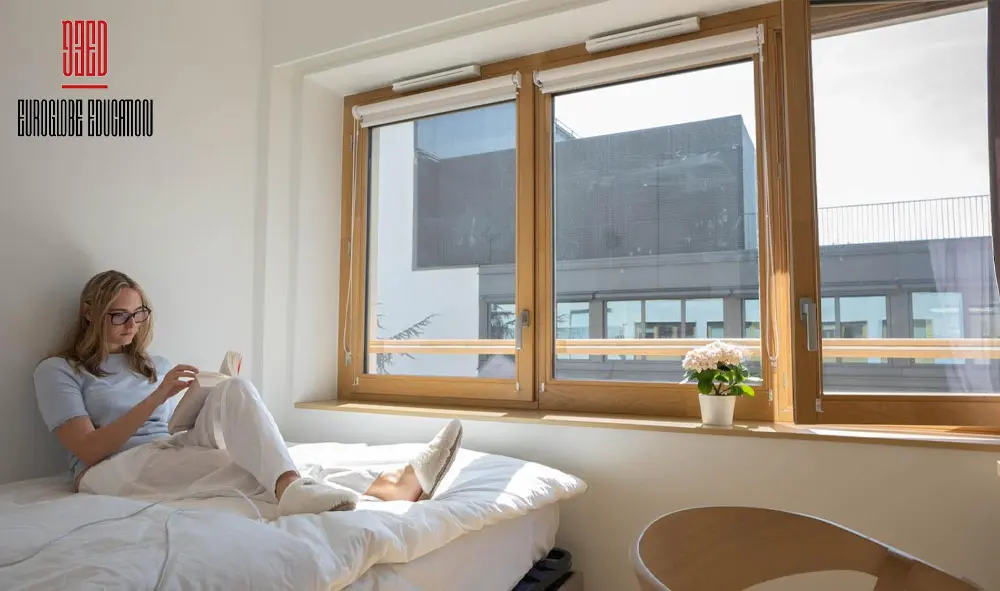
Types of Student Residences in France
In France, students can choose from several types of accommodation beyond traditional CROUS dorms:
- Public CROUS Residences: Affordable rooms or small studios with basic furniture and shared or private facilities, ideal for students on a budget.
- Private Student Residences: Modern buildings with additional amenities such as gyms, study rooms, and social spaces. Rent is higher, but comfort and convenience are greater.
- Flatshares and Private Studios: Independent living options rented through platforms or agencies, offering more privacy and flexibility.
- Special Complexes: Examples include the Cité Internationale Universitaire de Paris, which provides larger residential campuses with cultural and community spaces for international students.
Each type has its own advantages and costs, and the choice depends on personal preference, budget, and desired level of independence. Living in different types of residences can also influence your social life and opportunities to integrate into the student community.
| For step-by-step guidance and tips on maximizing your placement chances, consider exploring Study abroad programs for support with student housing in France. |
On-Campus vs Off-Campus Housing France
Students in France have the choice between on-campus and off-campus housing, each offering unique advantages:
- On-Campus Housing: Usually refers to CROUS or university-affiliated residences located within or very close to campus. These options are convenient, affordable, and allow students to easily access classes, libraries, and campus facilities. Social integration is also easier since most neighbors are fellow students.
- Off-Campus Housing: Includes private residences, shared apartments, studios, or rooms rented directly from landlords. These options provide more independence and flexibility in terms of lifestyle, but rent is often higher, and students may need to manage their own utilities and commuting.
Choosing between on-campus and off-campus living depends on budget, desired independence, and social preferences. Many students start with on-campus housing in their first year and move off-campus later for more freedom.
| For additional tips on living in France and improving your experience, students can Learn French online to better integrate into campus life and the local community. |
Student Residence Facilities in France
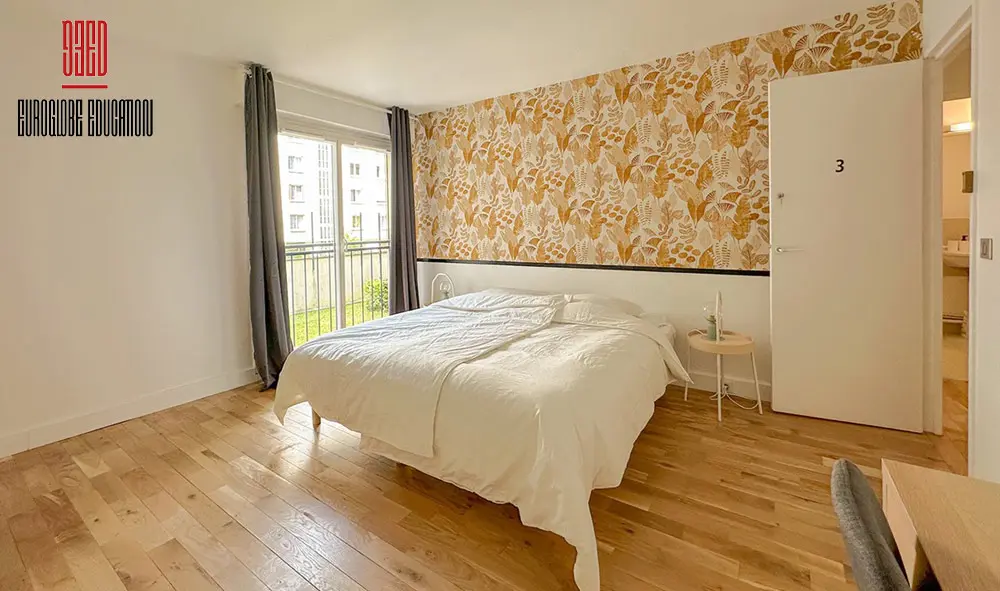
Student residences in France offer a range of facilities designed to make student life easier and more comfortable. Most CROUS and private residences provide furnished rooms or studios, often including a bed, desk, storage, and basic kitchen equipment. Shared apartments may have common areas for socializing, studying, and cooking.
Many residences include internet access, laundry facilities, and communal study spaces, which help students focus on academics without worrying about basic logistics. Larger residences sometimes offer gyms, cultural activities, or student clubs to foster community life and encourage social interaction among residents.
Facilities and services vary depending on the type of residence and rent, but all aim to support student well-being and academic success.
How Student Dorm Allocation Works in France
Applying for university dormitories in France—especially CROUS residences—follows a structured process to ensure fair allocation. The main steps include:
- Submit the Dossier Social Étudiant (DSE): This online form collects information about your family situation, income, and study program. It opens annually, usually between January and May.
- Select residence preferences: Students can choose multiple cities or specific CROUS residences. Prioritization considers distance from family, financial need, and academic level.
- Allocation rounds: There are main and supplementary rounds. Students are notified by email and must confirm their placement online.
- Annual renewal: Dorm allocation is not permanent. Students must apply each year to maintain or change their housing.
Living in a student dorm provides more than just a place to stay. It’s an opportunity to integrate into the student community, build friendships, and enjoy shared academic and social resources. Planning ahead and understanding the process early greatly increases your chances of securing your preferred dorm.
Conclusion
Choosing the right university dormitories in France can make a significant difference in your academic and social life. From affordable CROUS rooms to private student residences, each option offers a unique balance of convenience, independence, and community. Understanding the allocation process, types of housing, and available facilities helps you make informed decisions and ensures a smoother transition to life in France.
If you’re ready to plan your study experience and secure the best housing options in France, EuroGlobe Education can guide you through every step—from selecting your program and residence to visa assistance and long-term support for international students.