
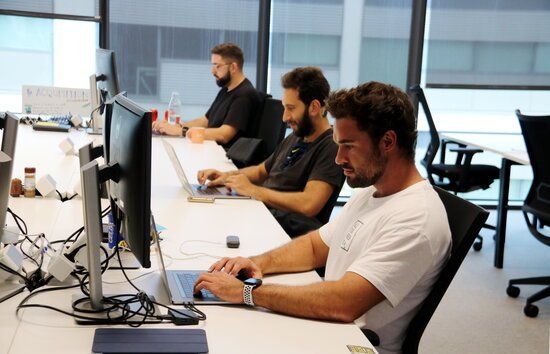
The employment market structure in France is shaped by a combination of strong labor protections, sector diversity, and a highly regulated legal framework. As one of the largest economies in Europe, France offers opportunities across public and private sectors, with particular strength in technology, manufacturing, services, luxury goods, and tourism.
For international students and skilled professionals, understanding how the French labor market works—from hiring procedures to contract types—is essential for long-term career planning. Those preparing to Study in France should also consider employment prospects when choosing their academic path.

Major Employment Sectors in France
The employment market structure in France is supported by a diverse and highly developed economy. Several sectors consistently drive national growth and attract both domestic and international professionals. Key employment sectors include:
- Technology and Digital Innovation: France has become a major European hub for startups, artificial intelligence, cybersecurity, and fintech, particularly in cities like Paris and Lyon.
- Manufacturing and Industry: Automotive, aerospace, and industrial engineering remain strong pillars of the French economy.
- Luxury and Fashion: France is globally recognized for luxury brands, cosmetics, and fashion houses, creating opportunities in marketing, design, and international trade.
- Tourism and Hospitality: As one of the world’s most visited countries, France offers extensive employment opportunities in tourism, hotel management, and event services.
- Healthcare and Pharmaceuticals: the healthcare sector continues to grow due to demographic changes and public health investments.
- Finance and Business Services: banking, insurance, and consulting are central to the service-based economy.
Students enrolled in specialized France study programs often align their academic focus with these high-demand sectors to improve post-graduation employment prospects.
Graduate employment in France
Graduate employment in France depends largely on field of study, language proficiency, and professional experience gained during university years. The French labor market places strong value on internships, apprenticeships, and practical exposure, which often serve as direct pathways to full-time employment.
Key factors influencing graduate employability include:
- Internships and Apprenticeships (Alternance): Many students secure permanent positions through companies where they completed internships or work-study programs.
- Sector Demand: Graduates in engineering, IT, healthcare, finance, and business management generally experience stronger hiring rates.
- Language Proficiency: While some multinational companies operate in English, French language skills significantly improve employability and workplace integration. Enrolling in structured French Language Courses can increase professional opportunities.
- Work Authorization for International Graduates: Non-EU students may apply for post-graduation residence permits that allow them to seek employment in France under specific conditions. Proper documentation and legal preparation are essential during this transition period.
France also supports innovation and entrepreneurship, giving graduates opportunities in startups and growing industries. International students can improve their career prospects by choosing structured pathways such as Study in France programs.
Hiring Process in France
The hiring process in France follows a structured and formal approach. Employers typically evaluate candidates based on qualifications, professional experience, and cultural fit within the company. Key stages of the hiring process include:
- CV and Cover Letter Submission
A well-structured CV (usually one page) and a tailored cover letter are essential. French employers value clarity, academic background, and relevant work experience. - Initial Screening Interview
this may be conducted by phone or video call, focusing on skills, motivation, and availability. - Technical or In-Person Interview
Candidates may undergo one or more interviews with managers or HR representatives. In some sectors, practical tests or case studies are required. - Job Offer and Contract Proposal
If selected, the candidate receives a formal written offer outlining salary, working hours, and contract type.
For international applicants, understanding legal requirements and work authorization procedures is crucial before accepting an offer. Proper preparation regarding residence permits and documentation can significantly smooth the transition.
Professional guidance in areas such as Visa Services in France can help applicants navigate administrative procedures effectively.
French work culture explained
French work culture is characterized by professionalism, structured hierarchy, and respect for work-life balance. While productivity and efficiency are valued, employees are also entitled to strong labor protections and generous leave policies.
Key characteristics of French workplace culture:
- Work-Life Balance
The standard workweek is typically 35 hours, and employees benefit from paid annual leave and public holidays. - Hierarchy and Formality
many organizations maintain clear hierarchical structures. Formal communication, especially in traditional industries, is common. - Punctuality and Professionalism
being on time and well-prepared for meetings is highly important. - Employee Rights and Protections
French labor law strongly protects employees regarding contracts, working hours, and dismissal procedures.
Students preparing through structured academic pathways such as French Language Courses often gain better familiarity with professional norms and local workplace expectations.
Employment contracts in France
Employment contracts in France are legally regulated agreements that define the rights and obligations of both employers and employees. Understanding these contracts is essential for anyone planning a long-term career in France. Key aspects of French employment contracts:
- Contract Types
- CDI (Contrat à Durée Indéterminée): Permanent contract with no fixed end date.
- CDD (Contrat à Durée Déterminée): Fixed-term contract for specific projects or seasonal work.
- Internship & Apprenticeship Contracts: Typically for students or recent graduates seeking practical experience.
- Working Hours & Leave
Standard workweek is 35 hours, with paid vacation and public holidays. Overtime is regulated and usually compensated. - Salary & Benefits
Contracts specify base salary, bonuses, health insurance, and retirement contributions. - Termination & Notice Period
French labor law requires notice periods for resignation or termination, with protections against unfair dismissal. - Collective Agreements
many sectors follow collective bargaining agreements that define minimum standards for wages, working conditions, and benefits.
For international professionals, guidance from the EGEDU Immigration Institute can help navigate contract negotiations, understand legal rights, and ensure compliance with French labor laws.
Conclusion
Navigating the employment market structure in France requires understanding key sectors, graduate opportunities, hiring processes, workplace culture, and contract types. With proper preparation, international students and professionals can confidently transition into French workplaces and build successful long-term careers.
Planning ahead, aligning academic choices with market demand, and familiarizing oneself with French labor regulations are crucial steps. Whether entering technology, finance, healthcare, or services, knowing what to expect helps reduce uncertainty and ensures smoother integration.
For those ready to pursue professional opportunities in France, EuroGlobe Education can provide expert guidance and make the journey toward a successful French career more accessible.